Between Sightline and Sward: The South West’s Roadside Verge Experiment
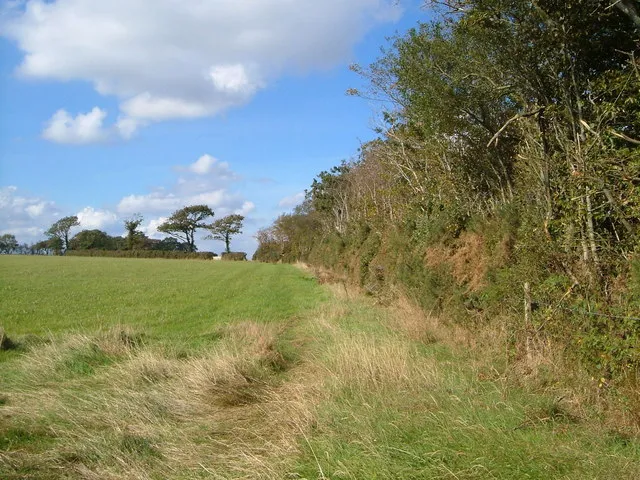
For anyone driving the lanes of Devon or the trunk roads of Cornwall in late spring, the change is visible before it is measurable. Strips of cow parsley, knapweed and ox-eye daisy are surviving longer than they once did, and in some places the mower has been deliberately held back. The roadside verge, long treated as a narrow strip of operational grass, is being asked to perform a new role: part pollinator corridor, part public symbol of nature recovery.
In 2026, councils across the South West are expanding trials that reduce mowing frequency, lift cuttings and sow locally appropriate wildflower mixes. The ambition is clear. The complication is equally clear. A verge is not a meadow with a road beside it. It is a safety asset, a drainage channel, a utility corridor and, increasingly, a habitat. Those functions do not always sit comfortably together.
What the trials are actually testing
The current phase of work is less about scattering seed and more about maintenance regimes. Across Devon, Cornwall and Somerset, highway teams are testing whether fewer cuts can support invertebrates without compromising visibility at junctions, bends and crossings. Some sites use a two-zone approach: a short, regularly cut safety strip nearest the carriageway and a longer, less frequently cut ecological zone behind it. Others trial cut-and-collect methods, intended to reduce nutrient enrichment and encourage finer grasses and wildflowers over vigorous rank growth.
Highways ecologists involved in the work are careful not to oversell the results. Verges are linear, fragmented and exposed. A good flowering year can be followed by a poor one, and a single summer of monitoring cannot establish whether a site is supporting stable populations of bees, hoverflies or moths. The 2026 evidence is therefore best read as operational learning: which cuts can be deferred, which sites are too dangerous to soften, and where contractor schedules and public expectations allow a different approach.
Safety first, ecology second?
The road-safety audit remains the decisive document. Sightlines at rural junctions, forward visibility on bends, clearance around signs and the need to keep pedestrians and cyclists visible all constrain how far a biodiversity verge can go. A flower-rich margin that obscures a concealed entrance is not a success story, however many pollinators it attracts. Councils are wary of allowing the language of nature recovery to obscure that basic obligation.
The compromise usually emerges in the details. Safety strips may be kept narrow but cut less often than before. Some verges are left uncut until after flowering, then mown before autumn visibility checks. Others are excluded from trials altogether because drainage or road geometry makes them unsuitable. The result is a patchwork rather than a network, and that patchwork is harder to explain to the public than a simple promise to help bees.
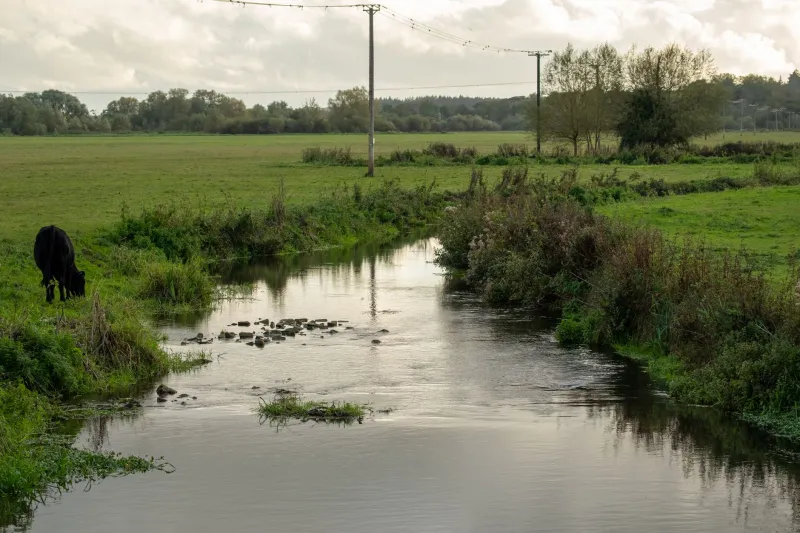
Drainage rules add another layer. Verges often carry surface water, protect ditches and accommodate culverts or soakaways. Tall vegetation can slow water, but it can also block grips, obscure drainage assets and complicate inspections. In low-lying parts of Somerset, where road edges can be as much hydraulic infrastructure as habitat, the question is not simply whether to mow but when, and with what machinery. A wet winter can undo a carefully planned cutting schedule.
The contractor’s view
For farmers and contractors who carry out verge work, the practical tensions are familiar. Cutting regimes must fit around livestock, harvest and weather. Late cuts can conflict with hay and silage calendars. Early cuts can remove flowers before seed set. Public complaints about untidiness, ragwort and roadside encroachment arrive quickly, while ecological benefits accrue slowly.
There is also the matter of arisings. Cut-and-collect is ecologically preferable on many nutrient-rich verges, but it is slower and more expensive than flail mowing. If cuttings are left in place, the verge may become ranker, not richer. If they are removed, the contractor needs somewhere to take them. These are unglamorous logistical questions, but they determine whether a trial survives a change of administration or a budget squeeze.
Can verges become a regional habitat network?
The strongest argument for verges is connectivity. In a landscape of hedgerows, field margins, river corridors and protected sites, road edges can link otherwise isolated patches. For pollinators moving between farmland, woodland and settlement edges, a series of well-managed verges may be more useful than a few showcase sites. That is the difference between a roadside gesture and a habitat network.
Getting there requires more than mowing less. Councils need consistent mapping, clear audit criteria and monitoring that can be compared across districts. Local nature recovery strategies can help by identifying priority stretches, but they must be aligned with highway maintenance contracts rather than sitting alongside them. Parish councils and citizen scientists can add valuable records, though volunteer surveys cannot replace structured ecological assessment.
There is also a question of equity. Verges are public spaces, and their appearance is judged by residents, visitors and drivers. A scruffy margin can be read as neglect; a flowering margin can be read as intentional only if councils explain why it is there. Signage and communication are not incidental. They are part of the infrastructure of consent.
The test ahead
The 2026 trials have moved the debate beyond whether verges matter. They do. The harder question is whether the South West can manage them as a genuine regional asset without pretending that road safety and drainage are optional extras. The answer will be found in contracts, audit language and winter inspections as much as in summer colour.
If verges are to become a serious part of nature recovery, the compromises must be made explicit and designed into the system. A narrow safety strip beside a species-rich margin is not a failure. It is a working compromise. The failure would be to promise a meadow and deliver only a gesture.