Tide, Rain and the Price of Protection: Rethinking the South West’s Coast in 2026
Photo: DeFacto, CC BY-SA 4.0, via Wikimedia Commons
Along the South West’s coast, the debate over defence has become less binary than it once was. A sea wall is no longer the automatic answer, nor is retreat an easy alternative. In 2026, councils, the Environment Agency and coastal communities from Cornwall to Dorset are working through a more awkward question: which stretches of coast can be protected affordably, which will need to adapt over time, and how those decisions are made in places where livelihoods, housing and heritage are all tied to the shoreline.
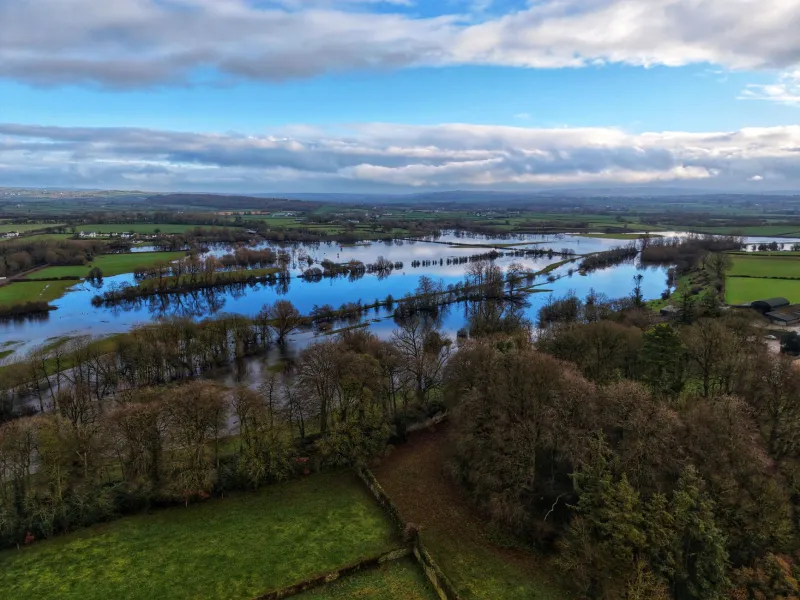
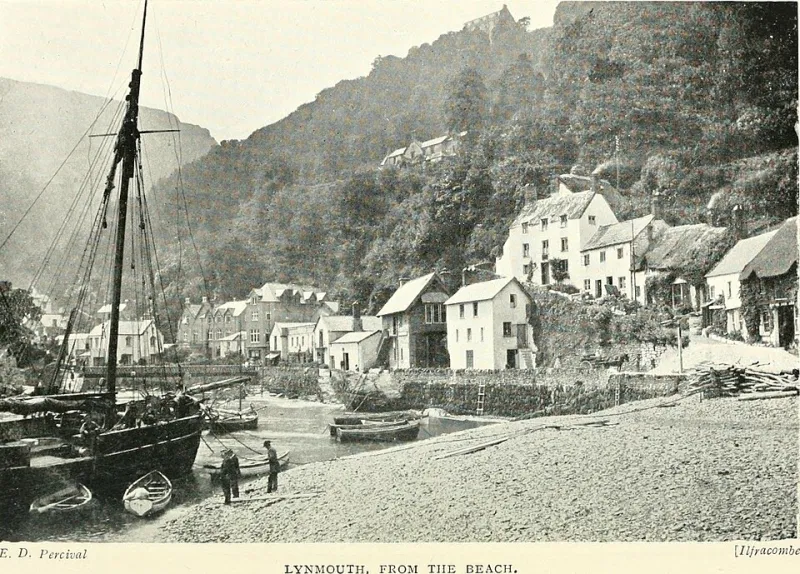
The winter now behind us has sharpened that question. Saturated catchments, high river flows and tidal surges have combined to expose the limits of defences designed for a different climate. In towns such as Dawlish, Lyme Regis and Penzance, hard defences remain essential. In quieter bays and low-lying hinterlands, the case for dunes, saltmarsh and managed realignment is being tested against tight budgets and local anxiety. The result is not a single strategy but a patchwork of projects, consultations and funding bids, each shaped by local geography and political pressure.
The new arithmetic of coastal risk
Coastal defence has always involved trade-offs, but the arithmetic has become harsher. The Environment Agency’s capital programme must prioritise schemes with strong benefit-cost ratios, which tends to favour dense urban frontages and critical infrastructure. Smaller communities, caravan parks, farmland and isolated roads often struggle to make the same case on paper, even where the social and economic consequences of flooding are severe.
Local authority budgets add another constraint. Councils are expected to contribute to some schemes, maintain defences and plan for long-term adaptation, yet many are managing competing pressures on social care, transport and housing. In Cornwall, Devon and Dorset, the result is a familiar pattern: high-profile schemes advance, while smaller projects wait for funding rounds or rely on temporary repairs.
This is not simply a failure of will. It reflects a genuine mismatch between the scale of coastal change and the financial tools available. The South West’s coastline is long, varied and expensive to defend. A strategy that promises protection everywhere would be neither credible nor sustainable.
From hard walls to living edges
Part of the response has been a shift towards softer defences. Dune restoration in parts of Cornwall, Devon and Dorset is being supported as a way to absorb wave energy, retain sediment and create wildlife habitat. In places such as the Slapton area and sections of the Dorset coast, dune systems are being reconsidered not as incidental features but as working infrastructure.
These approaches can be effective, but they are not universal substitutes for sea walls. Dunes need space, sediment and time. They work best where the coast has room to move and where communities can accept occasional overwashing. In exposed towns, or where railway lines and roads sit close to the shore, hard defences will remain necessary.
Managed realignment, meanwhile, remains one of the most contested tools in the adaptation toolkit. Creating new intertidal habitat can reduce flood risk elsewhere and deliver biodiversity benefits, but it can also mean giving up land that has been farmed for generations. The word ‘retreat’ carries a political charge that often overshadows the practical details of compensation, drainage and long-term land use.
The consultation fault line
In 2026, the most difficult battles are less about engineering than about consent. Shoreline management plans and local adaptation plans set out broad direction, but communities rightly ask what happens to individual properties, access roads and businesses. Consultation can easily become a forum for anxiety rather than a genuine negotiation over priorities.
Councils and the Environment Agency face a difficult balancing act. They must be transparent about risk without triggering blight, and they must involve communities without promising outcomes that funding cannot deliver. Where engagement is rushed, trust erodes. Where it is sustained, it can produce more realistic local plans, even if those plans include difficult choices.
The question is not whether the coast will change. It will. The question is how the South West sequences adaptation so that the most vulnerable places are not left waiting until a crisis forces the issue.
What regional sustainability looks like
A sustainable coastal strategy for the South West cannot be separated from housing, transport, agriculture and nature recovery. Defence schemes should align with catchment management, because flooding often arrives from inland as much as from the sea. New development should be directed away from areas that will become increasingly costly to protect. And monitoring should involve local people, whose observations of shoreline change can complement official data.
Above all, regional sustainability means accepting trade-offs openly. Some defences will be strengthened. Some coastlines will be allowed to move. Some communities will need support to adapt rather than assurances that nothing will change. The funding gap is real, and it will not be closed by technical innovation alone. It requires a clearer national settlement on who pays for coastal adaptation, and a regional conversation about what protection is fair, feasible and worth sustaining.